
Why Does My Child Forget What They Learned? A Parent’s Guide
Wednesday night your child sat at the kitchen table and reviewed their spelling words for twenty minutes. They knew every

Many parents notice a confusing pattern: their child can explain what they’ve read, answer comprehension questions correctly, and follow the storyline, yet reading itself is slow, effortful, or tiring.
This often leads to questions like:
Here’s what’s usually happening.
Reading is not a single skill. It involves multiple processes working together, including:
Some children develop strong comprehension skills but struggle with decoding, a core focus of structured reading programs at Strategic Learning Clinic:
Children who understand stories well often compensate in subtle ways:
These strategies help them keep up for a while, but they also hide underlying gaps in foundational reading skills, which are often addressed through targeted reading tutoring programs:
Slow reading despite good understanding is often linked to one or more of the following:
Difficulty identifying and sequencing sounds in words can slow down decoding, even when vocabulary and comprehension are strong. Programs like the Lindamood Phoneme Sequencing approach used at Strategic Learning Clinic are designed specifically to strengthen this foundation.
If a child has to consciously sound out many words, reading speed naturally drops.
Guessing works temporarily, but it prevents efficient word recognition and slows long-term progress.
When decoding takes too much effort, fewer mental resources are available for fluency and comprehension.
Parents are often advised to simply have their child read more. While practice is important, it doesn’t always address the root issue.
If the challenge lies in how words are processed, rather than how often a child reads, practice alone may reinforce inefficient strategies. In these cases, structured reading intervention or brain-based programs like Neuralign may be more effective.
At Strategic Learning Clinic, reading support focuses on identifying which part of the reading process is creating difficulty.
Some students benefit from:
When decoding becomes more automatic, reading speed often improves naturally, without sacrificing comprehension.
You may want to explore further reading support if your child:
Early support can prevent slow reading from turning into long-term academic stress.
Slow reading is not a sign of low ability or lack of effort. In many cases, it’s a signal that a foundational skill needs strengthening.
Understanding why your child reads slowly is the first step toward helping reading feel easier, more confident, and more independent over time.
Wednesday night your child sat at the kitchen table and reviewed their spelling words for twenty minutes. They knew every
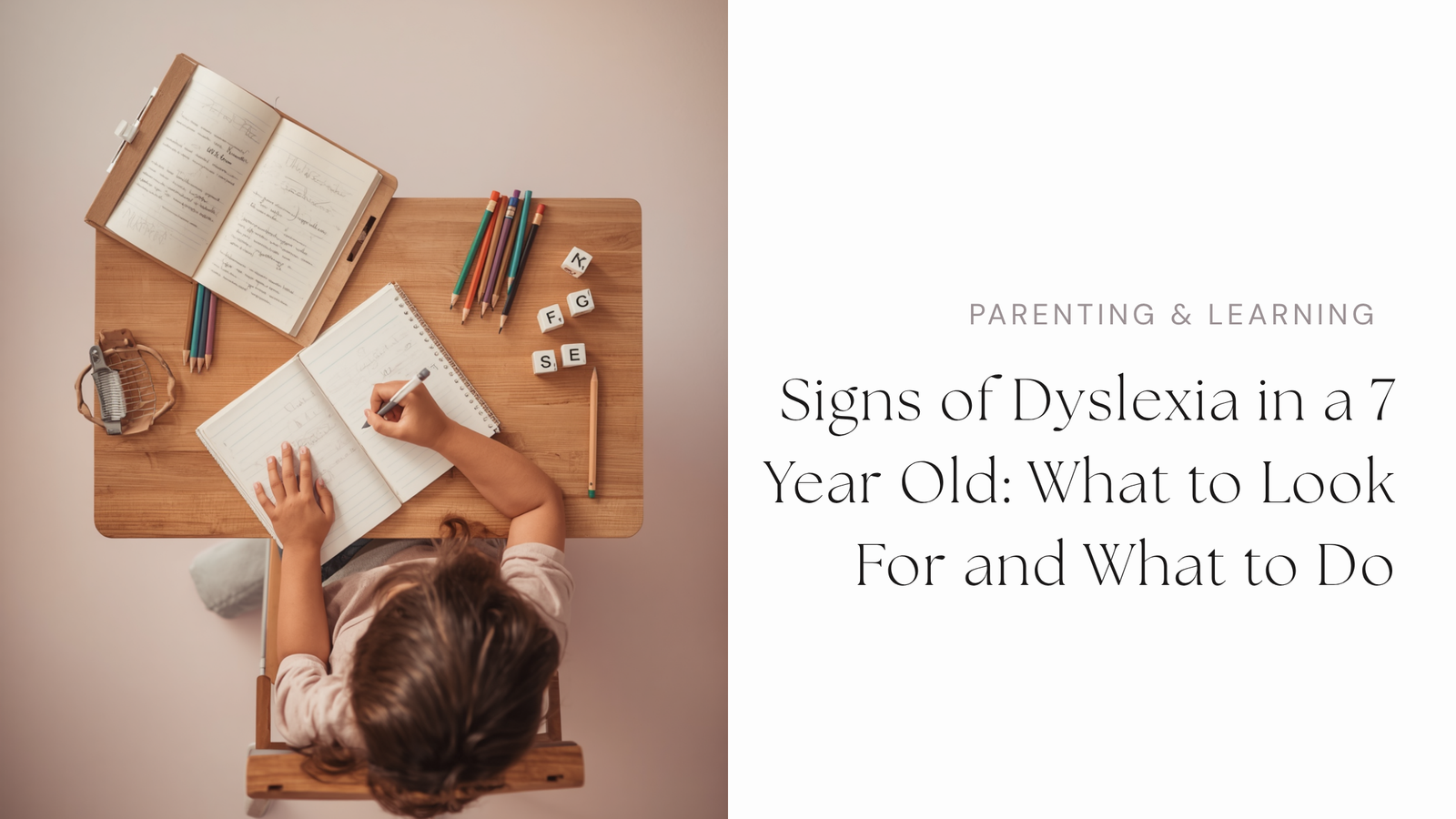
It is reading night in your house. Your seven-year-old is sitting at the kitchen table, and every word on the

When It’s Not Just One Subject Some children struggle with reading. Others struggle with math. But many parents notice something