Proudly serving North American families since 1989

Proudly serving North American families since 1989

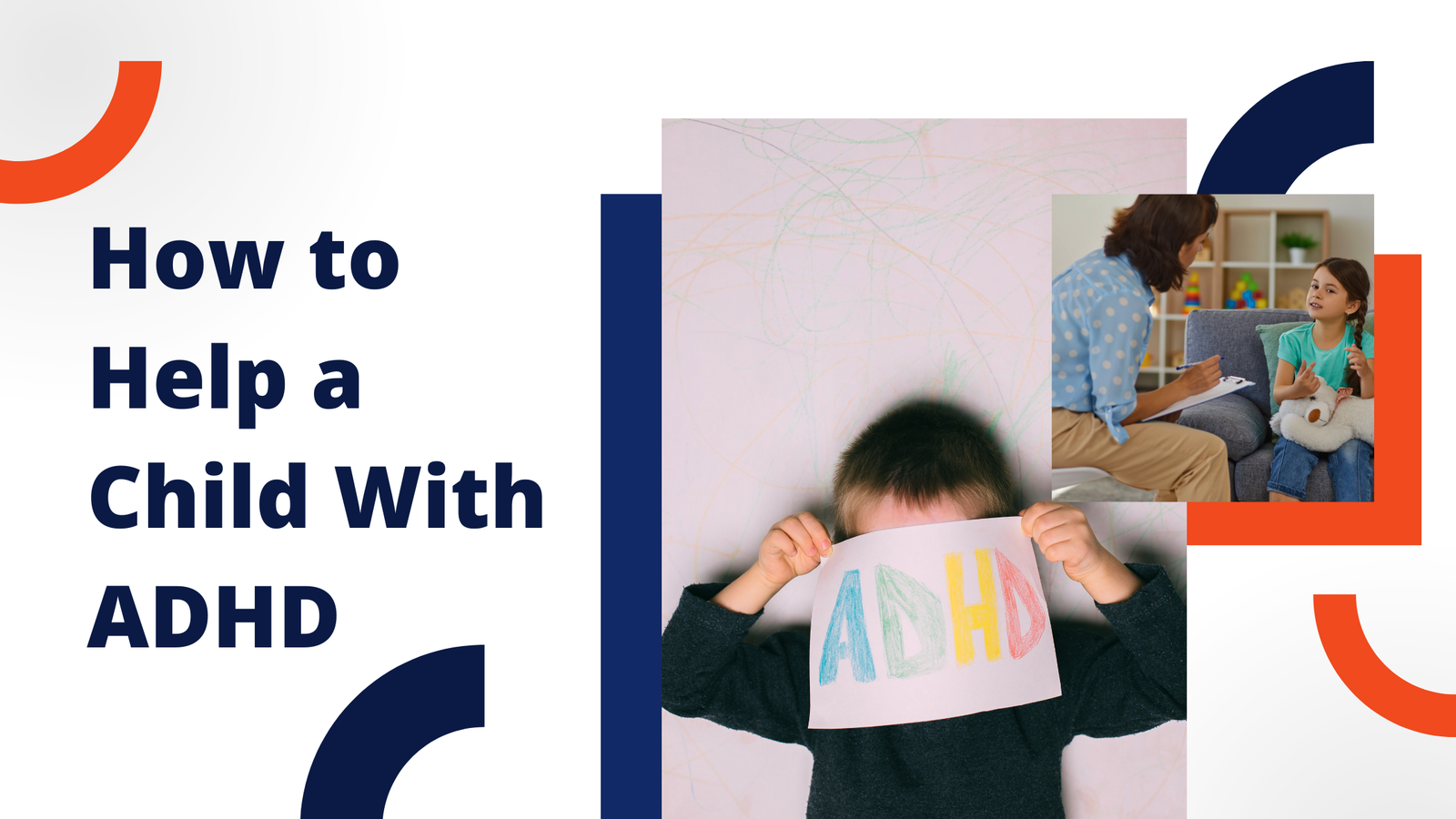
How to Help a Child with ADHD – 5 Proven Study Strategies That Actually Work

5 Proven ADHD Study Tips That Actually Work

Helping a child with ADHD navigate the world of school and homework can feel like a constant uphill battle. It is not that they are not smart or capable. Often, their bright minds simply work differently than traditional learning environments expect. If you are a parent, guardian, or educator looking for practical ways to help, you are in the right place.

Many families also explore academic support through a structured tutoring learning center, personalized tutoring options, or guidance from a trusted private tutor montreal parents rely on for ADHD-related learning challenges.

Understanding ADHD is the first crucial step. Attention-Deficit Hyperactivity Disorder is a neurodevelopmental condition that affects attention, self-control, and impulsivity. These challenges often appear as difficulty focusing, organizing tasks, or managing time.

These difficulties are commonly linked to executive dysfunction adhd, which affects planning, prioritization, and emotional regulation. Strengthening executive functioning skills for students is essential for long-term academic success.

Instead of telling children to try harder, we need to equip them with tools that align with how their brains function. Sometimes this includes professional support such as Tutoring for ADHD Students, targeted tutoring for kids, or structured study skill instruction.

Let us explore five proven ADHD study tips that can turn study time into a calmer and more productive experience.

1. Break It Down: The Power of Smaller Tasks

One of the biggest challenges for children with ADHD is feeling overwhelmed by large assignments. A task like “study for the history test” can trigger anxiety and avoidance.

Breaking tasks into smaller, manageable steps makes a huge difference. Instead of one long study session, divide the work into short, specific goals such as:

  • Read one section
  • Answer a few questions
  • Take a short break

Each completed step builds confidence and momentum.

Using a visual timer for short work periods followed by brief breaks can also help maintain focus. Many educators and specialists recommend executive functioning coaching to support task planning, follow-through, and organization.

This approach is commonly used by professionals offering tutoring services montreal and personalized ADHD-focused learning support.

2. Make It Multi-Sensory: Engage Different Learning Styles

Children with ADHD often learn best when multiple senses are involved. Reading and writing alone may not hold their attention.

  • Visual Aids: Use color-coded notes, charts, flashcards, and diagrams. Visual structure helps information stick and supports memory.
  • Auditory Engagement: Encourage children to read aloud, discuss lessons, or listen to recordings. These strategies work especially well when paired with language learning techniques or structured language learning programs.
  • Movement and hands-on learning: Short movement breaks, stretching, or hands-on tools can help release energy and improve focus. Many programs also integrate fidget tools appropriately.

This multi-sensory approach is often part of a well-designed learning program and is commonly used by experienced ADHD tutors.

3. Structure and Routine: Creating Predictability

Children with ADHD thrive on structure. A predictable routine reduces stress and helps them mentally prepare for study time.

Establish a consistent study schedule and use the same location whenever possible. Keep supplies ready before starting to avoid unnecessary distractions.

A consistent routine is often reinforced through a structured learning program that provides clear expectations and regular practice.

Many professionals offering tutoring Montreal support focus heavily on routine, time management, and organization as part of their academic plans.

4. Minimize Distractions: Create a Focused Environment

Distractions are one of the biggest barriers to effective studying for children with ADHD.

Choose a quiet study space, reduce clutter, and limit background noise. Turn off unnecessary notifications on devices and use tools to block distracting websites if needed.

Many tutoring services in Montreal also help families design distraction-free study environments tailored to a child’s individual needs.

Clear boundaries and consistent expectations help children stay engaged and focused.

5. Positive Reinforcement and Patience

Motivation is often fragile for children with ADHD. Positive reinforcement helps rebuild confidence and encourages effort.

Celebrate small wins. Praise progress, not perfection. Rewards do not need to be big. Verbal encouragement and recognition go a long way.

This supportive approach is a core part of Tutoring for ADHD Students and structured tutoring for kids programs, where confidence-building is just as important as academics.

Patience is essential. Progress may come in waves, and setbacks are part of the journey.

The Role of Tutoring in ADHD Support

While home strategies are powerful, many children benefit from professional guidance. One-on-one support from a qualified tutor, experienced language tutor, or certified reading tutor montréal can provide targeted instruction and accountability.

Academic progress often improves with structured reading programs, age-appropriate reading programs for kids, guided reading tutoring, and customized writing programs that address literacy challenges common in children with ADHD.

Conclusion

Helping a child with ADHD succeed academically requires understanding, patience, and the right strategies. By breaking tasks into manageable steps, using multi-sensory learning, creating routines, reducing distractions, and reinforcing effort positively, families can create a supportive learning environment.

With the right support system, including structured tutoring montreal services, personalized reading tutoring, and skill-focused learning programs, children with ADHD can build independence, confidence, and long-term success.

By teaching children to understand how they learn best, you empower them not just for school, but for life.

Does this sound like your child?

Contact Strategic Learning Clinic for an assessment. We will find the root cause – not just the symptom.

E-mail

info@strategiclearning.ca

Phone

(514)-966-1553

Frequently Asked Questions

If a child regularly forgets information, struggles to retain academic concepts, or falls behind despite effort and practice, a professional assessment can help identify the underlying cause and recommend appropriate support.

Evidence-based interventions, executive functioning coaching, structured tutoring, reading intervention programs, and individualized learning support can help strengthen learning and retention skills.

Dyslexia primarily affects language processing and reading skills, but it can also impact how word-based information is stored and retrieved, especially when reading and spelling are involved.

Yes. ADHD can affect attention and working memory, making it more difficult for children to fully encode information and recall it later.

Children may struggle with memory consolidation, attention, executive functioning, language processing, or learning differences that affect how information is stored and retrieved.

Yes. Strategic Learning Clinic offers individualized dyslexia support, assessments, and evidence-based reading programs for children in Montreal and through virtual services across Canada and the United States.

The most effective support typically includes structured literacy instruction, individualized intervention, dyslexia tutoring, and evidence-based dyslexia reading programs tailored to the child’s needs.

If your child consistently struggles with reading, spelling, or phonics compared to peers, a professional assessment can help identify underlying challenges and guide appropriate support.

Yes. With the right dyslexia support, structured instruction, and evidence-based reading intervention, children with dyslexia can become confident and capable readers.

Common signs include difficulty sounding out words, inconsistent spelling, slow reading progress, guessing words, letter confusion, and frustration during reading activities.

If your child struggles with focus, organization, or completing tasks, this type of support can be beneficial.

It provides structured, multi-subject support focused on improving overall learning skills.

Yes, especially for students who struggle with organizing thoughts and expressing ideas clearly.

It focuses on building foundational understanding and problem-solving skills rather than just practicing questions.

This often happens when core learning skills like comprehension, memory, and organization are not fully developed.

If your child reads fluently but struggles to understand, retain, or explain what they read, a structured reading program can help.

Yes, difficulties in comprehension can impact writing, math problem-solving, and overall academic performance.

It helps children create mental images while reading, improving understanding and memory.

This often happens when decoding skills are stronger than language processing and comprehension skills.

Reading involves recognizing words, while comprehension is the ability to understand and interpret meaning from those words.

Yes. We provide ADHD coaching and executive functioning support for both children and teens facing attention and learning challenges.

Yes. By strengthening executive functioning skills and attention regulation, ADHD support often leads to improved academic consistency and task completion.

Progress varies depending on the child’s needs, but many families notice improvements in organization, attention, and confidence within the first few months of structured support.

Tutoring focuses on academic subjects, while ADHD coaching targets executive functioning skills such as organization, focus, planning, and self-regulation that directly impact learning success.

Yes. Structured literacy approaches are research-based methods specifically designed to address dyslexia and reading disorders.

Yes. Strengthening planning, organization, and task initiation skills improves independence and academic consistency.

Tutoring supports classroom content. Remedial programs rebuild core cognitive, reading, and executive functioning skills that support learning across subjects.

Tutoring is highly effective when foundational skills are intact. If underlying learning challenges such as dyslexia, ADHD, or executive dysfunction exist, structured remedial programs may produce stronger long-term outcomes.

If decoding and spelling remain weak despite practice, a structured reading program such as Neuralign may be appropriate.

Executive dysfunction refers to difficulty with planning, organizing, and managing tasks.

Tutoring may support homework, but structured ADHD coaching improves executive functioning skills for long-term independence.

Yes. Attention issues can impact reading fluency. However, dyslexia specifically affects phonological processing.

By helping students turn words into pictures, it makes abstract language concrete. This builds stronger connections between vocabulary, context, and meaning.

With regular sessions, families typically see better comprehension and memory within one academic term (8–10 weeks).

Yes. Strategic Learning Clinic provides Visualizing and Verbalizing® coaching in Montreal led by trained professionals.

It’s a comprehension method developed to teach students to create mental images while reading or listening improving understanding, recall, and higher-order thinking.

Students who consistently struggle with math despite tutoring or extra help benefit most. These learners often need targeted support to fill knowledge gaps from earlier grades.

Most students begin showing noticeable improvement within a few months, depending on the frequency of sessions and individual needs.

Yes. Our math tutoring programs support students from elementary through high school, with instruction tailored to their learning profiles and academic goals.

Yes. We offer both in-clinic and online sessions for families across Montreal and surrounding areas.

Math remediation focuses on identifying and rebuilding foundational gaps in understanding, while standard tutoring reviews current coursework. It ensures students truly master essential math concepts before advancing.

Many students show measurable progress after several weeks, with average gains of one to two years in language skills after completing the full program.

Yes. Fast ForWord® is effective for learners of all ages, from elementary students to adults looking to strengthen their language learning and reading comprehension.

Students who struggle with reading, comprehension, or understanding spoken language benefit most. Our language tutors customize each program to address specific learning challenges.

This often happens when decoding skills are stronger than language processing and comprehension skills.

Reading involves recognizing words, while comprehension is the ability to understand and interpret meaning from those words.

Related Posts

Scroll to Top